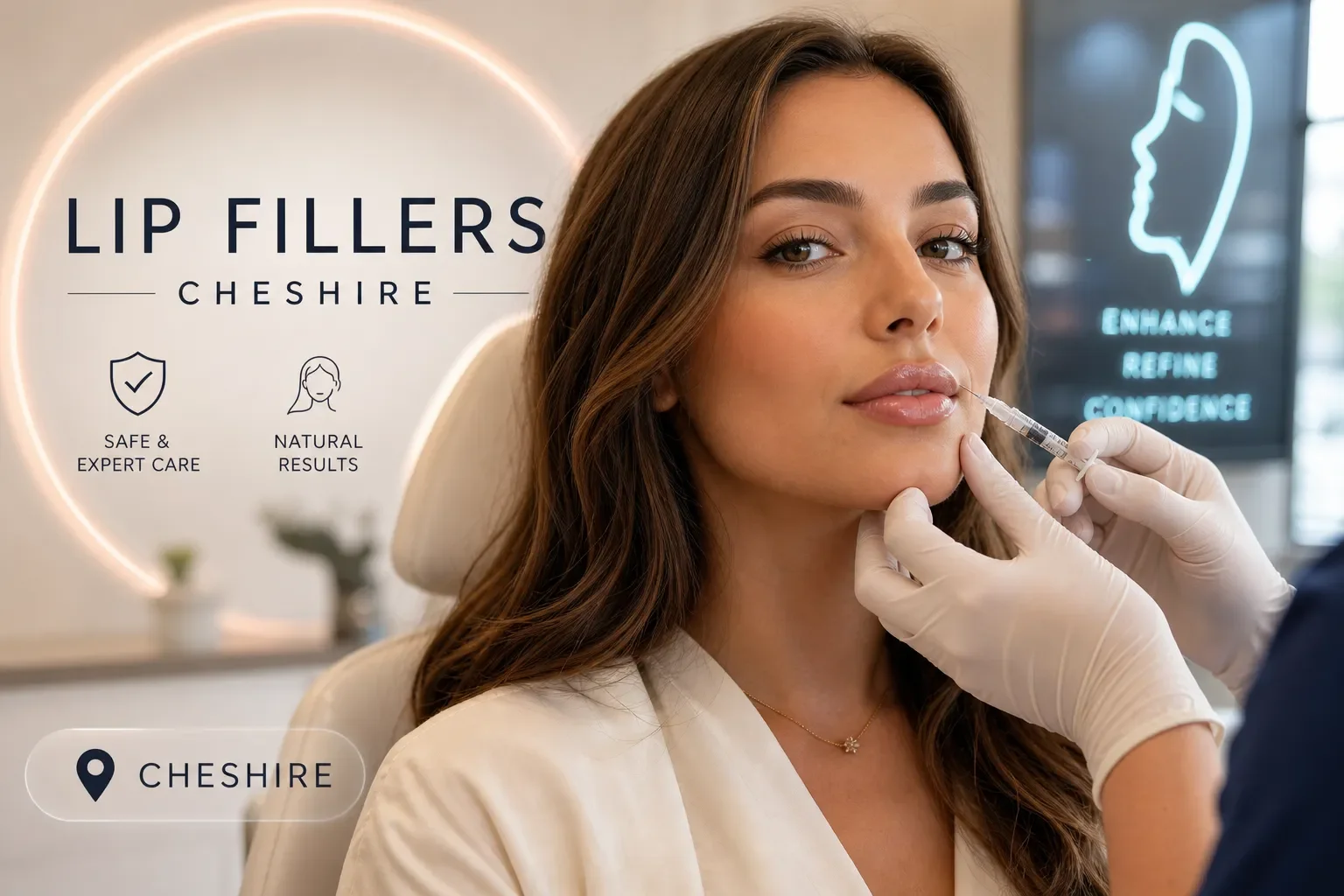
If you are searching for lip fillers in Cheshire, the single most important decision you will make is not which clinic is closest or which offers the lowest price, it is who is holding the needle. Lip fillers are one of the most requested non-surgical treatments across Cheshire and also one of the most inconsistently performed.
The gap between a great outcome and a poor one almost always comes down to the practitioner's anatomical knowledge and clinical experience, not the product in the syringe. That is the uncomfortable truth most clinics will not lead with, but it is the thing worth understanding before you book anything.
The question most people ask is whether it will hurt. The question they should also be asking is whether their practitioner has the anatomical knowledge, clinical experience, and emergency protocols to handle anything that goes wrong. These are not the same conversation, and the second one matters more. This guide covers both: the treatment itself, what natural results actually look like, how to vet a provider offering lip fillers in Cheshire, what to expect on costs, the real risks, and how to care for your lips afterwards.
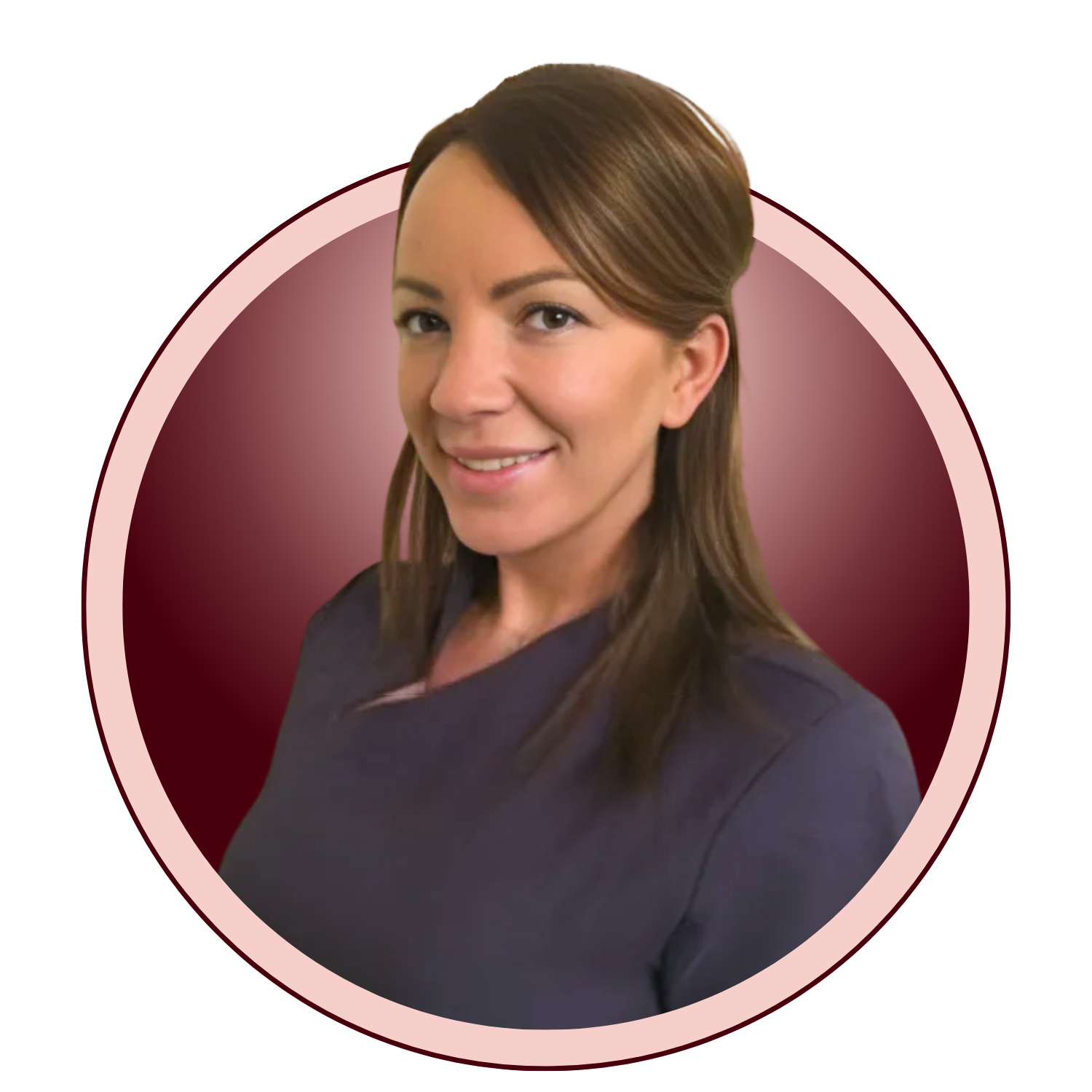
At MAK Clinic in Knutsford, led by Jennifer, a Nurse Prescriber with 20 years of full-time medical aesthetics experience, every lip filler patient goes through a thorough clinical assessment before any treatment is agreed. That model, where clinical judgement comes first, is exactly what this guide will help you identify when comparing lip filler clinics in Cheshire.
What lip fillers actually involve
The vast majority of lip fillers used by reputable UK practitioners are hyaluronic acid (HA) based. HA is a substance naturally present in the body, which is why it integrates well with tissue and, critically, can be dissolved with an enzyme called hyaluronidase( if something goes wrong or you change your mind. Permanent fillers exist but carry a significantly higher risk profile and are not what properly trained practitioners use for lip augmentation.
The procedure itself is straightforward. The lips are cleansed, topical numbing cream is applied and left for 15 to 20 minutes, and the filler is then placed at specific anatomical points using a fine needle or cannula. The whole treatment takes between 15 and 30 minutes. A skilled practitioner will continually reassess proportion as they work, rather than simply adding volume and hoping for the best.
One thing that catches first-time patients off guard: you will not see your settled result immediately. Swelling peaks at 24 to 48 hours, then reduces significantly by days three to seven. The final result is visible around two weeks post-treatment. The "overdone" feeling many patients report in the first 48 hours is almost always swelling, not a permanent outcome. A two-week review appointment is standard practice and worth attending.
What natural-looking lip filler results actually look like
Natural lip enhancement is not about size, it is about proportion. For many patients in their 30s and 40s across Cheshire, the goal is recovering the definition and subtle volume that naturally diminishes with age, not chasing a particular trend. A practitioner focused on natural results will look at the whole face before touching the lips.
For a first treatment, 0.5 ml is the standard starting volume for subtle enhancement. Some patients choose up to 1 ml, but the principle that separates skilled practitioners from less experienced ones is consistent: build gradually across sessions rather than maximising volume in one appointment. Overdone results almost always trace back to excessive volume or poor placement, not the filler itself.
This is why the injector matters more than the brand. HA filler from a reputable manufacturer delivers a predictable product. What varies enormously is the anatomical knowledge, artistic eye, and clinical experience brought to the treatment, and it is those qualities that determine whether you leave looking subtly better or obviously altered.
Lip fillers Cheshire: choosing a qualified practitioner
Lip fillers are currently unregulated in the UK. Anyone can legally perform them. That is not scaremongering; it is the current legislative reality, and it is why checking credentials is non-negotiable rather than optional. Look for practitioners registered with the NMC (Nursing and Midwifery Council), GMC (General Medical Council), or GDC (General Dental Council).
The JCCP voluntary register and Save Face accreditation are strong additional indicators of a practitioner who takes professional standards seriously. The Level 7 Diploma in Aesthetic Medicine is considered the clinical gold standard for training depth. When comparing lip filler practitioners in Cheshire, these markers are the clearest way to separate genuinely qualified clinicians from anyone who completed a weekend course.
A proper consultation is a clinical process, not a sales call. This means reviewing your medical history and contraindications, cold sores, autoimmune conditions, blood-thinning medications, pregnancy, and more, alongside a frank discussion of realistic outcomes and a clear explanation of risks. If a clinic skips this step and moves straight to pricing and booking slots, that is a significant red flag. At MAK Clinic in Knutsford, every lip enhancement consultation is built around exactly this kind of rigorous clinical assessment, and no treatment proceeds without it.
Before you book anywhere, ask these questions directly:
- What qualifications do you hold and where are you registered?
- What brand of filler do you use, and why that product specifically?
- What happens if I experience a complication, and do you carry hyaluronidase on-site?
- Do you carry comprehensive indemnity insurance that covers dermal fillers?
Practitioners who have completed a weekend course will struggle to answer these questions with specifics. Experienced clinicians will not hesitate.
Lip fillers Cheshire: costs and what they tell you
Lip augmentation in Cheshire generally ranges from £200 to over £500 per session, with the typical price for a 1 ml treatment from a reputable clinic sitting between £350 and £450. Areas such as Knutsford, Wilmslow, Altrincham, and Hale fall within this range, though pricing varies clinic by clinic and is not always published upfront.
A clinic advertising lip fillers at £90 to £120 is cutting corners somewhere, in the product quality, the practitioner's training, the consultation process, or often all three. Aesthetic medicine is not a category where the cheapest option represents good value, because the cost of correcting poorly placed or inappropriate filler, including hyaluronidase treatment and follow-up care, frequently exceeds the original price several times over.
Treat pricing as a signal. A fair, mid-range price from a verified, medically qualified practitioner reflects the real cost of doing this properly. Below a certain threshold, corners are being cut. Above it, you are paying for experience and clinical depth, which is a reasonable trade when the alternative is corrective treatment.
Side effects, risks, and when to seek help
Swelling, bruising, tenderness, and temporary unevenness are all normal in the first week and resolve for most patients within five to ten days. Bruising is more common in people who take aspirin, ibuprofen, or fish oil supplements before treatment. If you have a history of cold sores, inform your practitioner in advance: injections can trigger herpes labialis reactivation, and prophylactic antivirals are available.
Serious complications from lip fillers are rare when treatments are performed by trained, medically qualified providers, but they are clinically significant when they do occur. Vascular occlusion, where filler enters or compresses a blood vessel, is the most critical. The warning signs are sudden severe pain, skin blanching, or a mottled appearance around the treated area. This requires immediate treatment with hyaluronidase and is a medical emergency. Other red flags include increasing heat and swelling beyond day three, signs of infection such as spreading redness or discharge, and any high fever following treatment.
The reason to choose a medically qualified practitioner for lip fillers in Cheshire is precisely this: they carry hyaluronidase, they recognise these warning signs immediately, and they can manage the situation on-site. A beauty therapist with a weekend certificate cannot. The difference in a vascular occlusion scenario is not cosmetic; it is tissue survival.
Aftercare and protecting your results
In the first 48 hours, avoid touching your lips, skip strenuous exercise and saunas, avoid alcohol, sleep with your head slightly elevated, and apply a cold compress in short intervals to manage swelling. Avoid lipstick, lip balm, and makeup for the first 24 hours. These are not excessive restrictions, they simply protect the filler as it settles into position and reduce unnecessary bruising.
Attend your two-week review. Even when results look good, a practitioner using this appointment to check symmetry and settling is doing the job correctly. If you are building to a final result over multiple sessions, top-ups are typically spaced four to six weeks apart. Maintenance treatments are usually needed every six to nine months, as hyaluronic acid is gradually metabolised by the body. Lip fillers are not a one-off permanent fix, and understanding that from the outset prevents disappointment further down the line.
What separates a good outcome from a bad one
Cheshire has no shortage of clinics offering lip enhancement, and the range of quality across them is considerable. Verified credentials, a thorough clinical consultation, conservative technique, and proper aftercare are what separate a result you will genuinely love from one that needs correcting. These are not optional extras, they are the baseline standard worth insisting on.
Going in with realistic expectations and asking the right questions before you book, not after, puts you in a significantly better position than most people who end up regretting their experience. A medically qualified practitioner will welcome those questions. One who does not is telling you something important.
If you are based near Knutsford, Wilmslow, Altrincham, Hale, or anywhere across the wider Cheshire area and want to explore what a nurse prescriber-led approach to lip fillers looks like in practice, a clinical consultation at MAK Clinic is a sensible starting point. You will leave with an honest assessment of what is achievable for your anatomy, and no pressure to proceed until you are confident it is right for you. To book, Book a MAK Consultation or contact the clinic directly.
TREATMENT FAQs
-
At Medical Aesthetics Knutsford (MAK Clinic), we are more than just a clinic; we are pioneers in the aesthetic treatment industry with a commitment to excellence that spans over two decades.
Based in Knutsford, MAK Clinic is easily accessible from Manchester and surrounding Cheshire areas, including Alderley Edge, Macclesfield, Wilmslow, Northwich and Hale.
MAK Clinic only uses the highest-quality Botulinum Toxin and filler products, including Juvederm, Belotero, Restylane, and Teosyal.
MAK Clinic exclusively uses the highest quality, regulated products, and our registered healthcare practitioners perform all procedures.
Founded by Jennifer Dowdall - RGN INP, all treatments are performed or overseen by Nurse Prescriber Practitioners, ensuring the highest standards of medical safety and expertise.
Read more about your aesthetics practitioner, Jennifer or more about MAK Clinic. Read our latest reviews or get in touch.
-
You can book a consultation for the Lip fillers treatment using the Book Now page or the universal "Book Now" button at the bottom right of every web page.
During the booking process, you can find the pricing for the treatment and the value-added complementary therapies that enhance its effectiveness.
If you need clarification on something, please feel free to book a consultation with us first so that we can talk about your goals and a personalised treatment plan.
-
Most reputable lip filler clinics in Cheshire charge between £350 and £450 for a 1 ml treatment. Prices below £150 are a warning sign that corners may be cut on product quality, practitioner training, or the consultation process.
-
Look for practitioners registered with the NMC, GMC, or GDC, and check for JCCP registration or Save Face accreditation. A Level 7 qualification in aesthetic medicine indicates significant clinical training. Always attend a proper consultation before committing to treatment.
-
Contact your treating practitioner immediately. If you notice sudden severe pain, skin blanching, or a mottled appearance around the treated area, treat it as urgent, vascular occlusion requires immediate treatment with hyaluronidase. If you cannot reach your practitioner, attend an urgent care centre or A&E and tell them you have had dermal filler treatment.
-
Hyaluronic acid lip fillers typically last six to nine months before maintenance is needed. Duration varies depending on the individual's metabolism, the volume used, and the specific product. Your practitioner will advise on an appropriate maintenance schedule at your review appointment.