Knutsford has no shortage of clinics advertising laser hair removal. You'll find beauty salons, medi-spas, and nurse-led clinics all competing for the same search, and the difference between them matters far more than most people realise before they book. MAK Clinic, based in Knutsford and regularly chosen by patients travelling from Wilmslow, Altrincham, and Alderley Edge, is one of the medically led options in the area.
But this guide isn't just about one clinic. It's about giving you the knowledge to compare providers intelligently, ask the right questions, and make a decision you won't regret.
By the end of this article, you'll know which laser technology suits your skin type, how many sessions to realistically budget for, what a fair course price looks like in Cheshire in 2026, and exactly what to ask any clinic before you hand over a penny.
Why the local laser hair removal market in Knutsford is worth navigating carefully
Not all clinics offering "laser hair removal" are offering the same thing. As aesthetic clinics have grown across Knutsford and the wider Cheshire area, so has the variety of equipment, training standards, and treatment philosophies on offer. Competition is good for pricing. It isn't always good for patient safety or results.
The term "laser" is used loosely in this market. A beauty salon with an IPL handpiece, a medi-spa with a diode device, and a nurse-led clinic with multiple clinical-grade wavelengths can all advertise the same service. From the outside, they look identical. The treatment experience, safety protocols, and long-term results are anything but.
What "laser hair removal" actually covers in a local market
Salons, medi-spas, and medical clinics all advertise laser hair removal, but the technology, the practitioner's training, and the safety protocols vary enormously between them. A patient who has been disappointed by results at one clinic may not realise they received an entirely different type of treatment to what they expected. Understanding the terminology before you book is the single most useful thing you can do.
The difference between a beauty treatment and a clinical procedure
Laser hair removal is not comparable to waxing or threading. It interacts with the skin at a cellular level, targeting the melanin in the hair follicle to disrupt the growth cycle. That makes it a clinical procedure, not a beauty treatment. The practitioner performing it should have the training, equipment, and clinical assessment skills to match.
Laser technology explained: which type suits your skin
Some clinics take advantage of patient unfamiliarity with the differences between laser types. Understanding the basics puts you in a much stronger position when comparing providers in the Knutsford area, and helps you spot when a clinic is vague about its own equipment.
Diode laser Knutsford and beyond: the three clinical standards
Diode, alexandrite, and Nd:YAG are the three gold-standard laser technologies used in reputable hair removal clinics. Alexandrite (755nm) has high melanin absorption and works best on fair to light-olive skin with coarse, dark hair. It's fast and highly effective but carries a greater risk of pigment changes on darker or tanned skin. Diode lasers (around 810nm) sit in the middle ground: deeper penetration than alexandrite, effective across a broader range of skin tones, and a good all-round clinical option. Nd:YAG (1064nm) uses the longest wavelength and is the safest choice for darker skin tones because it's less absorbed by melanin in the epidermis. The trade-off is that it's generally less efficient on fine or light hair. A clinic that carries multiple wavelengths can adapt to more patients safely, a meaningful clinical advantage that a single-device salon simply cannot match. Recent industry commentary on the advances and integration of new laser technologies highlights why clinics investing in multiple systems often deliver better outcomes across a broader range of skin types.
IPL vs laser hair removal Knutsford: why the distinction matters
This is worth stating plainly: IPL (Intense Pulsed Light) is not laser. It uses a broad spectrum of diffuse light rather than a concentrated, single-wavelength beam. Less energy reaches the follicle root, which typically means less permanent hair reduction and more frequent maintenance sessions. IPL can work for some patients in some circumstances, but it's generally considered less effective than true laser, particularly on darker skin or finer hair. If you've had IPL and been disappointed, that's worth knowing before you write off laser treatment entirely. For a broader scientific perspective on clinical outcomes and device differences, see this review of laser hair removal.
Matching technology to your skin type and hair colour
Fair skin with dark, coarse hair responds fastest to laser treatment. Darker skin tones require Nd:YAG for safe treatment, and a qualified practitioner will assess your Fitzpatrick skin type before recommending a system. Fine, light hair is the hardest to treat regardless of the technology used. A reputable clinic will assess your skin and hair type before recommending anything, not simply hand you a price menu and take your money.
How many sessions you'll realistically need
Marketing materials often understate session counts to make a course look more affordable. Here are the real figures, based on clinical practice rather than promotional copy.
Session counts by treatment area
For the most commonly treated areas, typical UK clinical practice in 2026 points to the following general ranges:
- Upper lip: 6, 8 sessions
- Underarms: 6, 8 sessions
- Bikini line: 6, 8 sessions
- Full legs: 8, 10 sessions
These figures assume a standard hair and skin type; hormonal factors, hair cycle variation, and skin tone all influence individual results. Courses of six sessions are a common starting point, but most patients benefit from at least one annual maintenance session once their course is complete. Clinical literature such as the JAMA Dermatology study and other peer-reviewed sources provide the detailed evidence behind typical session counts and expected outcomes.
What affects your results between sessions
Laser only targets hair in its active growth phase, which is why sessions must be spaced 4, 8 weeks apart depending on the area being treated. Between appointments, shaving is fine, but waxing, plucking, or epilating will disrupt the follicle and undermine your results. Sun exposure before and after treatment increases the risk of adverse reactions. A clinic that doesn't explain this clearly at your first appointment isn't taking your results seriously. Good aftercare guidance is part of what you're paying for.
Choosing a Knutsford laser hair removal clinic: costs and sessions explained
Prices vary between clinics in this area, and comparing headline figures without context can be misleading. Here's how to think about cost more usefully.
Laser hair removal prices Knutsford: per-session vs. course packages
Most reputable clinics in the Knutsford and Cheshire area offer both single-session and course pricing, with course packages offering a meaningful discount. Based on general Cheshire and Greater Manchester market pricing, a six-session course for a small area such as the upper lip or underarms typically sits in the range of £250, £720. Larger areas such as full legs can run from £1,600 to £2,150 for a full course. These are general market figures: individual clinic pricing varies, and any clinic should be transparent about their fees before you commit. If you're comparing providers across the county, resources on regional pricing trends such as local clinic pages for Laser Hair Removal Cheshire can help you benchmark reasonable rates.
When cheap becomes expensive
A cheaper session price is rarely a saving if the technology is inferior or the practitioner undertrained. Under-equipped clinics often produce slower results, which means more sessions, which means more money spent in total. Factor in the full course cost and the technology being used, not just the headline per-session figure. Based on commonly reported practitioner experience, a medically led clinic using clinical-grade equipment will often deliver more consistent results from fewer sessions, which changes the true cost comparison considerably.
Mobile laser hair removal Knutsford: pros and cons
Mobile laser hair removal services do operate in and around the Knutsford area, offering convenience at a lower overhead cost. The trade-off is worth considering. Mobile practitioners are unlikely to carry the range of clinical-grade devices available at a fixed clinic, and the environment for treatment, patch testing, and clinical assessment is harder to control. If convenience is a priority, that's a legitimate choice, but weigh it against the clinical infrastructure a fixed medically led clinic provides, particularly for complex skin types or larger treatment areas.
The questions to ask before you book any laser clinic
These aren't generic questions. They're the specific things a well-informed patient asks, and the answers will tell you a great deal about the clinic before you set foot in the door.
Practitioner qualifications that actually mean something
Ask specifically whether the person performing your treatment is a registered nurse, doctor, or prescribing clinician. In the UK, laser hair removal is not a regulated profession, which means anyone can legally advertise and deliver it. A short laser course does not make someone a qualified clinician. Ask to see qualifications, ask whether the clinic is registered with Save Face, a government-approved quality register for non-surgical treatments, and check whether they carry appropriate laser insurance. If a clinic is evasive about any of this, that tells you everything you need to know. For a clear summary of the relevant qualifications and insurance for laser hair removal in the UK, the British Lasers guidance is a useful starting point when you're vetting practitioners.
Technology and skin assessment questions
Ask which laser system they use, by name and wavelength. Ask whether they perform a Fitzpatrick skin type assessment before your first session. Ask if they carry out a patch test. A clinic that answers these questions clearly and confidently has protocols in place. A clinic that dismisses them as unnecessary, or can't answer them at all, is not somewhere you should trust with your skin.
Knutsford laser clinic comparisons: what to look for
When comparing local clinics, whether in Knutsford, Wilmslow, or Altrincham, the key variables are the laser system in use, the practitioner's clinical background, and whether a formal skin assessment precedes treatment. Price is a factor, but it should be the last filter you apply, not the first. A clinic that leads with its price rather than its clinical credentials is showing you its priorities.
Why a medically led clinic changes the outcome
The clinical standard of the person treating you and the environment they're working in directly affects your safety and your results. This isn't a subtle distinction, it's the difference between a clinical procedure performed to medical standards and a cosmetic service delivered without that framework.
The clinical assessment difference
At a medically led clinic, your first appointment includes a thorough clinical assessment of your skin type, hair type, medical history, and suitability for treatment. This is standard practice at MAK Clinic in Knutsford, where every laser hair removal plan is personalised following that assessment rather than selected from a generic price list. That clinical step is what reduces the risk of adverse reactions, ensures the right technology is matched to your skin, and improves the consistency of results over your course of treatment.
What MAK Clinic offers patients seeking laser hair removal near Knutsford
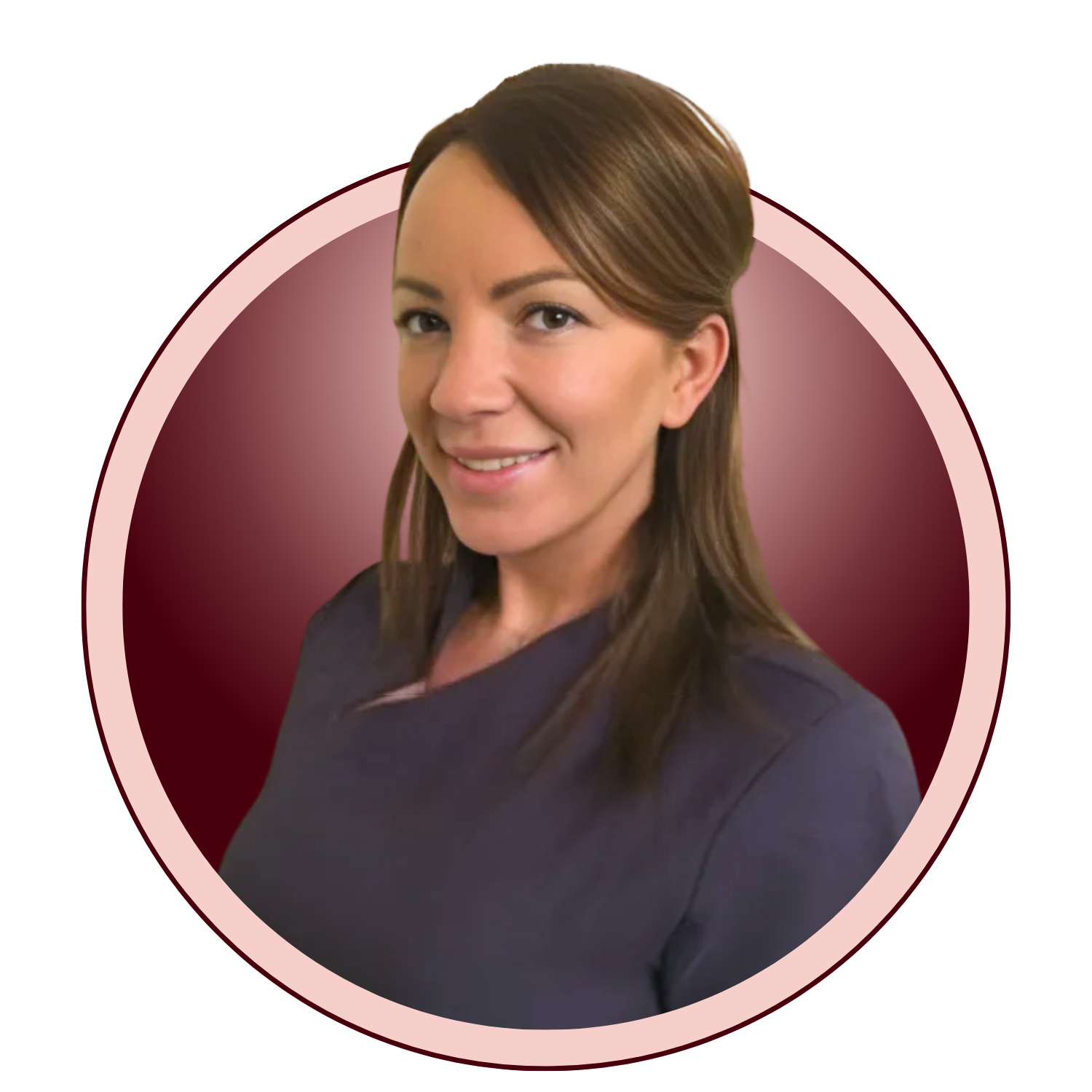
MAK Clinic in Knutsford is a Nurse Prescriber-led clinic, founded and led by Jennifer, an Aesthetic Nurse Practitioner with 20 years of full-time medical aesthetics experience and advanced training under leading doctors and surgeons in the field. Patients travel from Wilmslow, Altrincham, Alderley Edge, and across Cheshire for a level of clinical rigour that a dedicated medical aesthetics clinic is structured to provide. Treatments are built around individual clinical assessment, not a one-size-fits-all menu. If you want a thorough clinical assessment before committing to a course, a consultation at MAK Clinic is a sensible starting point.
Making the right decision for your skin
The Knutsford area gives you options. That's genuinely useful, provided you know how to compare them. Technology matters: ask which system is being used and why it's right for your skin type. Qualifications matter: verify who is treating you and what they're registered with. And treating price as the primary filter rarely ends well once you account for the full course cost, the risk of adverse reactions, and the possibility of needing to start again at a better-equipped clinic.
For laser hair removal Knutsford patients who want clear answers and a proper clinical assessment, MAK Clinic is the place to start. Book a consultation, come with your questions, and expect honest, straightforward responses. That's what a medically led clinic should provide, and it's the standard you deserve before committing to any course of treatment.
TREATMENT FAQs
-
At Medical Aesthetics Knutsford (MAK Clinic), we are more than just a clinic; we are pioneers in the aesthetic treatment industry with a commitment to excellence that spans over two decades.
Based in Knutsford, MAK Clinic is easily accessible from Manchester and surrounding Cheshire areas, including Alderley Edge, Macclesfield, Wilmslow, Northwich and Hale.
MAK Clinic only uses the highest-quality Botulinum Toxin and filler products, including Juvederm, Belotero, Restylane, and Teosyal.
MAK Clinic exclusively uses the highest quality, regulated products, and our registered healthcare practitioners perform all procedures.
Founded by Jennifer Dowdall - RGN INP, all treatments are performed or overseen by Nurse Prescriber Practitioners, ensuring the highest standards of medical safety and expertise.
Read more about your aesthetics practitioner, Jennifer or more about MAK Clinic. Read our latest reviews or get in touch.
-
You can book a consultation for the Laser hair removal treatment using the Book Now page or the universal "Book Now" button at the bottom right of every web page.
During the booking process, you can find the pricing for the treatment and the value-added complementary therapies that enhance its effectiveness.
If you need clarification on something, please feel free to book a consultation with us first so that we can talk about your goals and a personalised treatment plan.
-
Look for a clinic that explains its laser technology clearly, assesses your skin type before treatment and carries out a patch test. A medically led clinic should also review your medical history, discuss your hair and skin type, and give honest expectations about results.
Price matters, but safety, practitioner training and the quality of the device should come first.
-
No. IPL uses a broad spectrum of light, while true laser hair removal uses a focused wavelength designed to target the hair follicle more precisely.
IPL can work for some people, but laser is often more effective for long-term hair reduction, especially when the correct laser type is matched to your skin tone and hair type.
-
Most people need a course of treatments because laser only targets hairs during the active growth phase.
Smaller areas such as the upper lip, underarms and bikini line often need around 6 to 8 sessions. Larger areas, such as full legs, may need 8 to 10 sessions. Maintenance treatments may also be recommended once your main course is complete.
-
Ask which laser system the clinic uses, whether they assess Fitzpatrick skin type, whether a patch test is included, and what qualifications the practitioner holds.
You should also ask how many sessions are likely for your chosen area, what aftercare is required, and whether the treatment is suitable for your skin tone, hair colour and medical history.