Sagging skin and loss of firmness are two of the most common concerns patients bring to aesthetic clinics. Most people experiencing this are not ready for surgery, do not want significant downtime, and are not entirely sure what their options actually are.
That is where radio frequency skin tightening comes in, and it’s become one of the most talked-about non-surgical treatments in the UK for good reason.
The technology uses controlled thermal energy to stimulate collagen deep within the skin's structural layers, without incisions, needles, or meaningful recovery time. At clinics like MAK Clinic in Knutsford, radio frequency skin tightening is offered as part of a thorough clinical assessment, helping patients across Cheshire and the North West understand whether the treatment is genuinely suited to their skin before committing to a course.
This guide covers how it works, what the clinical evidence actually says, what it costs, and how it compares to surgery.
How radio frequency energy actually firms the skin
What happens beneath the skin surface
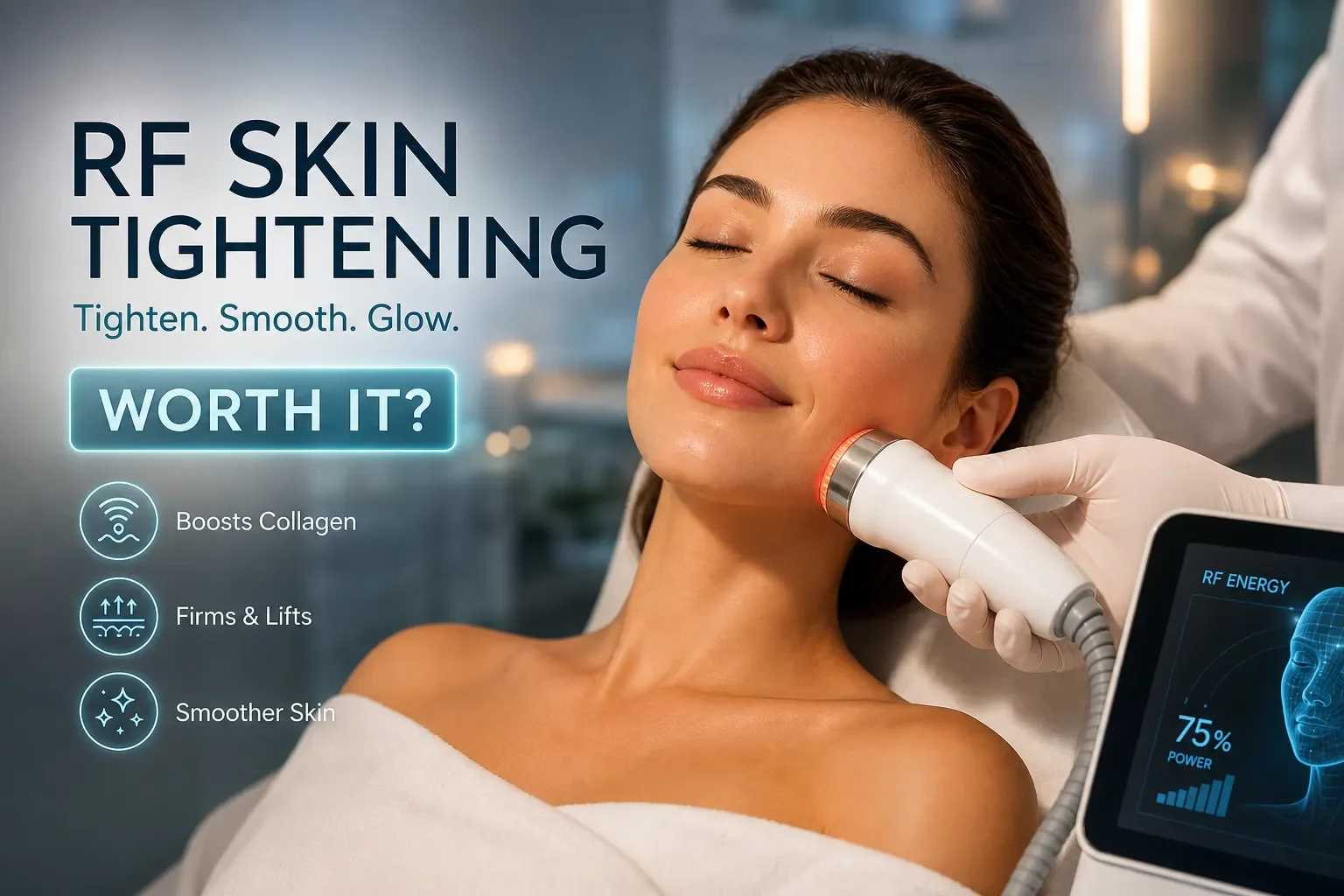
A handheld device delivers RF energy into the deeper layers of the skin, where it converts to heat. That heat triggers the body's natural wound-healing response without causing visible surface damage. Fibroblasts, the cells responsible for producing collagen and elastin, are stimulated to begin rebuilding the structural matrix of the skin. The real driver of results is thermal collagen remodelling: the process of heating tissue precisely enough to prompt regeneration without destroying it.
The surface of the skin remains largely unaffected during this process. The warmth patients feel during treatment is a good sign that the right depth is being targeted, though there should be no burning sensation or lasting discomfort. This mechanism is why the treatment delivers a gradual tightening effect rather than an immediate visible change.
Which areas of the face and body respond well
The jawline and jowls, neck and décolletage, and brow and upper face are among the most clinically studied areas for RF treatment, with well-documented results. The treatment also works on the body: the abdomen, inner arms, and thighs are all suitable candidates, though body protocols typically require larger applicators and higher energy levels than facial treatments. The underlying mechanism is the same regardless of the area being treated.
Monopolar, bipolar and fractional: which device type does what
Monopolar RF: deepest reach, broadest tightening
Monopolar RF uses a single active electrode paired with a grounding pad, driving current through a large volume of tissue to depths of roughly 20 to 25 mm. This makes it the preferred choice for significant skin laxity and body contouring, where deeper subcutaneous heating is required for meaningful results. The trade-off is that higher energy at greater depth means more discomfort compared with other RF device types, so patient selection and practitioner skill matter considerably.
Bipolar and fractional RF: targeted treatments with less downtime
Bipolar RF uses two closely spaced electrodes so the current travels only between them, reaching shallower depths of approximately 2 to 8 mm. This makes it better suited to facial tightening, fine lines, and delicate areas where gentler energy delivery is appropriate. Fractional RF, including microneedling RF, delivers energy in a patterned grid or via microneedles, creating discrete thermal zones while leaving surrounding tissue untreated. This approach is highly effective for texture improvement, acne scarring, and resurfacing, with faster recovery than ablative laser alternatives because tissue sparing reduces healing time significantly.
What the clinical evidence says about radio frequency skin tightening results
Improvement rates backed by research
Clinical studies report encouraging figures for radio frequency skin tightening, particularly in the face and neck. In facial rejuvenation trials, subjects showed approximately 70 to 75% improvement in skin tightening and up to 90 to 95% improvement in fine lines at three months post-treatment. In neck and jowl studies using 3D image analysis, 74% of subjects showed overall improvement by physician assessment and 81% reported improved laxity. These are meaningful figures for a non-surgical treatment and deserve to be taken seriously. They are not, however, a guarantee of dramatic lifting for every patient.
The results RF produces are measurable and clinically significant for the right candidate. What they are not is surgical in magnitude. Published comparison data suggests RF may deliver meaningful but more modest improvement than a facelift, a useful benchmark for patients weighing up their options. For those with early to moderate laxity, that level of improvement is often exactly what they need.
How many sessions you need and when changes appear
Most professional RF protocols recommend 3 to 6 sessions spaced 4 to 6 weeks apart. Results are not immediate: the collagen-building process means visible tightening typically develops over 2 to 6 months after the final session, not days after the first treatment. Patients who walk in expecting instant results often feel disappointed, which is precisely why a pre-treatment consultation is not an optional extra but a clinical necessity. Setting honest expectations from the outset is the difference between a satisfied patient and a frustrated one.
How long the effects last
Results commonly last 1 to 3 years depending on the device type, number of sessions completed, and how well the patient supports their skin health between treatments. Devices that deliver deeper tissue heating, such as monopolar RF, tend to produce longer-lasting structural changes than superficial bipolar treatments. Maintenance sessions every 6 to 12 months help sustain the outcome. Ageing continues regardless of treatment, so radio frequency skin tightening is best understood as a long-term management strategy rather than a one-time solution.
Radio frequency skin tightening: clinic treatment vs at-home RF devices
What at-home devices can realistically achieve
Consumer RF devices exist and some deliver mild superficial benefits for patients who are consistent with their use. The fundamental limitation is energy output: at-home devices operate at significantly lower levels than professional clinic machines, by design, because safety regulations for consumer use require it. They cannot reach the tissue depths required for meaningful dermal remodelling. Some peer-reviewed evidence suggests certain consumer RF devices have produced histological collagen changes in studies, but the body of evidence remains limited and the results are not comparable to clinic-grade treatment. At-home devices serve a maintenance role between professional sessions at best.
Radio frequency skin tightening costs in the UK and what they mean for value
Professional clinic sessions in the UK typically range from £80 to £320 per session, with course packages commonly priced between £135 and £1,100 for three sessions depending on the area treated, clinic location, and practitioner level. At-home devices range from roughly £100 to £700 as a one-off purchase, which sounds more economical on paper. The cost-per-session of clinic treatment is higher, but the energy delivered, the clinical oversight, and the measurable outcomes are not remotely comparable. For patients with genuine skin laxity concerns, a professionally assessed clinic course is the more effective investment.
Side effects, risks, and who should think carefully before booking
Common reactions and what to expect after a session
Redness, mild swelling, and tenderness in the treated area are the most commonly reported short-term effects. They typically resolve within hours to a day or two and are normal responses to controlled thermal energy, not complications. Some patients experience a temporary sensation of warmth or tightness after treatment. A session itself feels like a warm, deep-heat massage, most patients report minimal discomfort and some find it quite relaxing. Appointments typically take 30 to 60 minutes depending on the area being treated.
Less common complications worth knowing about
Burns, pigmentary changes, textural changes, and rare cases of fat loss or nodule formation are the more serious complications documented in clinical literature and FDA adverse event data. These are uncommon but real. In at least one published retrospective series, burns occurred in approximately 2.7% of treatments. In FDA MAUDE analysis of RF microneedling reports, textural changes appeared in 25% of reported adverse events, and pigmentary alterations in 18.3%. These figures relate to reported adverse events, not all treated patients, but they underscore why practitioner skill, device calibration, and proper assessment are non-negotiable.
Contraindications: when RF is not appropriate
Radio frequency skin tightening is not suitable for everyone. The key groups who should avoid treatment or approach it with caution include those with active skin infections or open wounds in the treatment area, a history of poor wound healing or keloid scarring, higher-risk skin types prone to pigmentation changes, and patients with certain implanted electronic devices. A thorough clinical assessment before treatment is not a formality. It is the standard that separates safe, effective practice from risky shortcuts, and it is the first step at any clinic worth visiting.
RF tightening vs surgery, and how to choose the right provider
Where non-surgical RF falls short of a surgical facelift
A surgical facelift physically repositions tissue and removes excess skin. RF stimulates collagen growth and improves firmness, but it cannot replicate the structural lift that surgery achieves. For patients with significant skin laxity or heavy jowling, RF is a meaningful improvement tool, not a surgical replacement. For patients with early to moderate laxity who want to delay or avoid surgery, it can deliver genuinely satisfying results, without the surgical risk, recovery time, or cost of an operating theatre.
What a clinically led RF programme looks like in practice
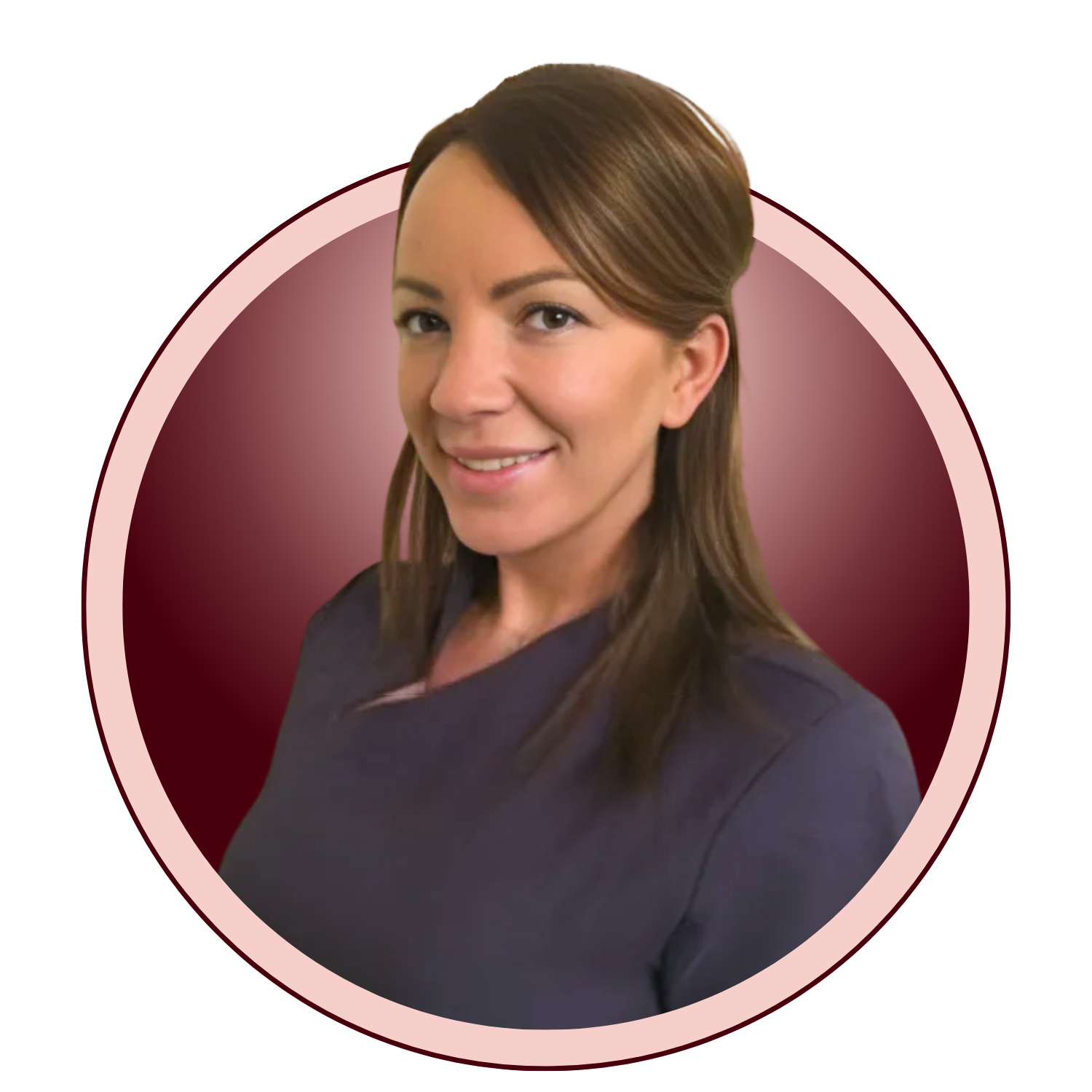
A clinical approach to radio frequency skin tightening is distinguishable from a beauty salon treatment in several concrete ways: a proper assessment of skin laxity, a full medical history review, honest outcome-setting, and a structured treatment plan matched to the individual. At MAK Clinic in Knutsford, RF skin tightening is built into a personalised, clinically assessed programme led by Jennifer, a Nurse Prescriber with over 20 years of dedicated medical aesthetics experience. Patients travelling from Wilmslow, Altrincham, Hale, Alderley Edge, and across Cheshire benefit from a level of clinical oversight that ensures the right device type, energy level, and session count are chosen for their specific skin, not a generic price list.
The markers of a credible provider include:
A qualified medical or regulated aesthetics practitioner, ideally a Nurse Prescriber or equivalent
A clinic that conducts a full consultation and contraindication review before treatment
Transparent information about device type, expected results, and realistic timelines
Proof of professional indemnity insurance and relevant regulatory compliance
The bottom line on radio frequency skin tightening
Radio frequency skin tightening is a genuinely effective, non-surgical option for improving skin firmness, but results depend on realistic expectations, the right device type for the concern, and a qualified practitioner guiding the plan. It is not a facelift. It is not instant. For early to moderate laxity on the face, neck, or body, it delivers measurable improvement with minimal downtime and a well-established safety profile when performed correctly.
The at-home versus clinic debate is straightforward: consumer devices serve a maintenance role at best. For real, clinically meaningful results, professional treatment with proper assessment is the standard worth seeking out. Anyone considering radio frequency skin tightening in Cheshire or the surrounding area should start with a consultation at a nurse-led clinic like MAK Clinic, where the treatment plan is built around their skin and their goals, not around filling appointment slots.
FAQs
-
At Medical Aesthetics Knutsford (MAK Clinic), we are more than just a clinic; we are pioneers in the aesthetic treatment industry with a commitment to excellence that spans over two decades.
Based in Knutsford, MAK Clinic is easily accessible from Manchester and surrounding Cheshire areas, including Alderley Edge, Macclesfield, Wilmslow, Northwich and Hale.
MAK Clinic only uses the highest-quality Botulinum Toxin and filler products, including Juvederm, Belotero, Restylane, and Teosyal.
MAK Clinic exclusively uses the highest quality, regulated products, and our registered healthcare practitioners perform all procedures.
Founded by Jennifer Dowdall - RGN INP, all treatments are performed or overseen by Nurse Prescriber Practitioners, ensuring the highest standards of medical safety and expertise.
Read more about your aesthetics practitioner, Jennifer or more about MAK Clinic. Read our latest reviews or get in touch.
-
You can book a consultation for the Radio Frequency Skin Tightening treatment using the Book Now page or the universal "Book Now" button at the bottom right of every web page.
During the booking process, you can find the pricing for the treatment and the value-added complementary therapies that enhance its effectiveness.
If you need clarification on something, please feel free to book a consultation with us first so that we can talk about your goals and a personalised treatment plan.