What Makes an Aesthetics Clinic Truly Safe? A Patient's Guide
Here's something most people don't know before their first aesthetics appointment: in England right now, there is no national practitioner licensing regime in force.
While botulinum toxin is a prescription-only medicine and some legal safeguards exist through medicines law, local authority powers, and the CQC where services meet regulated healthcare activity, there is currently no national licensing scheme requiring aesthetics practitioners to hold specific qualifications or submit to formal inspection. This isn't scaremongering. It's the current legal reality under the Health and Care Act 2022, and it's exactly why finding a genuinely safe aesthetics clinic matters before you book anything.
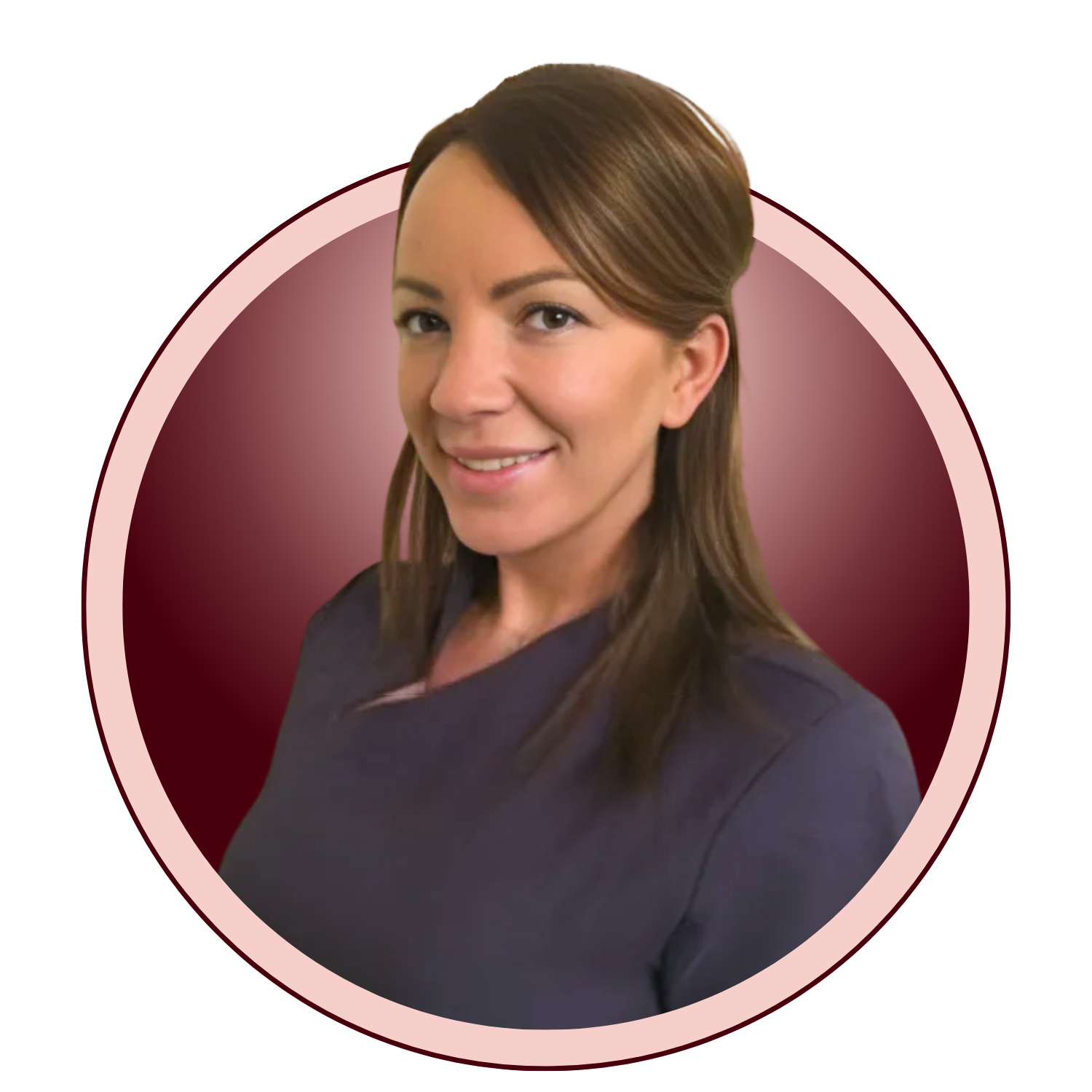
The industry does have rigorous practitioners. Clinics like MAK Clinic in Knutsford, led by Jennifer, an Aesthetic Nurse Practitioner and Nurse Prescriber with 20 years of dedicated, full-time medical aesthetics experience, represent what genuine clinical practice in this field actually looks like. That standard exists. The problem is it isn't universal, and the gap between the best and the worst is significant. This guide gives you the tools to tell the difference.
The regulatory gap most patients don't know about
The term "aesthetics clinic" is not protected. Anyone can open one. The Health and Care Act 2022 gave the government the power to introduce a national licensing regime for non-surgical cosmetic procedures, covering both practitioners and premises. As of 2026, that regime has been consulted on and proposed in a risk-based model, but it has not commenced. The licensing requirements are not yet in force. Scotland has moved further toward statutory licensing. England has not.
What currently exists is partial: local authority licensing for some procedures, the Children's Act protections that make it an offence to administer Botox or fillers to under-18s, medicines law governing prescription-only products, and the CQC's remit where services cross into regulated healthcare activity. For adult injectable treatments at the average high-street clinic, national safeguards remain limited. This means the responsibility for checking safety and qualifications falls on you as the patient. That's not fair, but it is the reality. A polished website and a well-lit Instagram page are not evidence of clinical competence. Two things genuinely separate a safe aesthetics clinic from a risky one: practitioner qualifications and clinical standards. Both are verifiable.
Safe aesthetics clinic checklist: qualifications to verify
For any injectable treatment, the baseline question is straightforward: is this person on a statutory professional register? The NMC for nurses, the GMC for doctors, the GDC for dentists. These are not aesthetic-specific registers. They are the legal registrations that confirm the practitioner is a regulated healthcare professional, bound by a code of conduct, and accountable to a body that can investigate and remove them from practice. An unregistered practitioner operating without healthcare credentials has none of that accountability. If something goes wrong, there is no regulator to report them to.
For injectable treatments involving prescription-only medicines such as botulinum toxin, statutory registration alone is not enough. The practitioner needs prescribing authority. A Nurse Prescriber holds the V300 Independent Prescribing qualification. This means they can legally prescribe botulinum toxin following a face-to-face clinical assessment, without relying on a third-party prescriber. Level 7 in injectables or aesthetic medicine is the widely cited benchmark for advanced injectable practice. Jennifer at MAK Clinic holds Nurse Prescriber status and has spent two decades working exclusively in medical aesthetics. That combination of prescribing authority and specialist experience is what you're looking for in an accredited aesthetics practitioner.
Laser and IPL treatments have different requirements. A medical degree isn't necessary, but a Level 4 qualification in laser or advanced aesthetics, alongside proper skin-assessment training, is the recognised minimum standard recommended by bodies such as the JCCP and Save Face. Short weekend courses do not substitute for recognised clinical training with documented experience across a range of skin types and concerns. The distinction matters, particularly for patients with darker skin tones or complex skin conditions.
Checking NMC, GMC, and GDC registers
Verification is free and takes minutes. Check the NMC online register for nurses, the GMC list of registered medical practitioners for doctors, and the GDC register for dentists. All three are public. Search by name or registration number and you'll see current status, any fitness-to-practise conditions, and whether the registration is active. This is the non-negotiable first step before any other research.
Beyond statutory registration, two PSA-accredited voluntary registers provide additional assurance. Save Face lists doctors, nurses, dentists, and prescribing pharmacists who have been assessed for competency and suitability for each procedure they offer, and it physically inspects clinic premises for safety, hygiene, consent processes, and emergency protocols. JCCP focuses on professional standards and competence pathways for cosmetic practitioners, covering those working at Level 4 and above in its competency framework. Both are worth checking. Neither replaces statutory registration, but together they indicate that a practitioner has voluntarily submitted to external scrutiny.
If a practitioner is not on any of these registers and cannot provide verifiable evidence of their qualifications, walk away. A practitioner with nothing to hide will direct you to their NMC or GMC entry without hesitation. Vagueness about qualifications is itself a warning sign.
What a safe consultation tells you about the clinic
A genuinely safe aesthetics clinic treats the consultation as a clinical assessment, not a sales appointment. The practitioner should take a full medical history, ask about medications, allergies, previous treatments, and overall health before discussing anything else. They should explore your goals with genuine curiosity rather than steering you immediately toward the most expensive option. This clinical-first approach is the foundation of MAK Clinic's bespoke assessment process, and it's what every patient should expect as standard.
The paperwork side matters too. Before any treatment begins, a well-run clinic provides:
- A signed, written informed consent form
- A documented treatment plan tailored to your assessment
- Clear product information, including the brand being used and why
- Written aftercare instructions you can refer to later
- A direct contact for post-treatment concerns
These are not optional. They are the baseline standard for any regulated aesthetic treatment. If a clinic moves toward treatment without proper consent documentation, or if you feel pressured to decide on the day without time to reflect, that pressure is telling you something.
These are the questions worth asking in the room: What are your qualifications and how long have you been performing this specific treatment? Can I see before-and-after photos of similar cases? What are the realistic risks, and what is your emergency protocol if something goes wrong? What will the total cost be, including any follow-up sessions? How do I contact you after treatment if I have a concern? A good practitioner welcomes these questions. One who seems irritated by them is giving you important information about how they'll handle anything more serious.
Red flags that should make you walk away
Some red flags are structural. No consultation offered, or a "consultation" that lasts five minutes before treatment begins on the same visit. Treatment being performed in a beauty salon, someone's home, or a non-clinical setting. No questions asked about your medical history. No visible evidence of qualifications or registration numbers. Products that aren't named or can't be identified. Any one of these should stop the conversation.
Others are behavioural. Heavy discounting, flash deals, and pressure to book before the price goes up are not how ethical medical aesthetics clinics operate. Guaranteed results are another warning sign: real clinical practice involves risk, and any practitioner worth trusting will tell you so clearly. Complications are not a hypothetical concern in this industry. Industry research published in 2023 found that among patients who had experienced complications, the majority reported long-lasting adverse effects. Swelling, pain, bruising, and asymmetry are common. Vascular occlusion, tissue necrosis, and blindness in rare cases represent the serious end of the spectrum.
How a safe aesthetics clinic manages emergencies
The most important question many patients never think to ask is: what happens if something goes wrong? A safe aesthetics clinic carries hyaluronidase, the reversal agent for hyaluronic acid filler complications. They have a documented vascular occlusion protocol. This means recognising the signs, disproportionate pain, blanching, delayed capillary refill, treating promptly with high-dose hyaluronidase, and escalating to emergency services if vision is affected. Ask about this directly. A practitioner who seems unfamiliar with emergency management should not be performing injectables.
What the gold standard actually looks like in practice
A genuinely safe, medically rigorous aesthetics clinic is led by a registered healthcare professional with substantial, full-time experience in medical aesthetics specifically. Not general nursing. Not beauty therapy. Medical aesthetics, practised consistently over years, with specialist training that goes well beyond foundational certificates. Every treatment plan is built from a thorough clinical assessment and tailored to the individual patient, not drawn from a standard menu applied to everyone who walks through the door.
MAK Clinic in Knutsford, Cheshire is a concrete example of this standard. Founded and led by Jennifer, an Aesthetic Nurse Practitioner and Nurse Prescriber listed on the NMC register, the clinic combines 20 years of full-time medical aesthetics experience with advanced masterclass training from internationally recognised doctors and surgeons. Every patient receives a bespoke clinical assessment rather than a treatment menu. For anyone in Knutsford, Wilmslow, Altrincham, Alderley Edge, or the wider Cheshire and North West area, this is what genuinely practitioner-led aesthetics looks like. If you're considering treatment and want to understand whether MAK Clinic is the right fit for you, get in touch to arrange a consultation.
The standard to hold every clinic to
You now have everything you need to evaluate any aesthetics clinic with confidence. Check statutory registration on the NMC, GMC, or GDC. Look for Nurse Prescriber or equivalent prescribing authority for injectable treatments. Verify against Save Face or JCCP. Ask about the consultation process, consent documentation, and emergency protocols. Walk away from anything that feels rushed, pressured, or evasive.
Finding a safe aesthetics clinic in the UK is entirely achievable once you know what to look for. The standard isn't perfection. It's accountability, clinical competence, and a practitioner who takes your safety as seriously as you do. A genuinely safe aesthetics clinic will welcome your questions, evidence their qualifications, and never make you feel like a sale. That standard is your benchmark. Don't lower it.
Safe Clinic FAQs
-
At Medical Aesthetics Knutsford (MAK Clinic), we are more than just a clinic; we are pioneers in the aesthetic treatment industry with a commitment to excellence that spans over two decades.
Based in Knutsford, MAK Clinic is easily accessible from Manchester and surrounding Cheshire areas, including Alderley Edge, Macclesfield, Wilmslow, Northwich and Hale.
MAK Clinic only uses the highest-quality Botulinum Toxin and filler products, including Juvederm, Belotero, Restylane, and Teosyal.
MAK Clinic exclusively uses the highest quality, regulated products, and our registered healthcare practitioners perform all procedures.
Founded by Jennifer Dowdall - RGN INP, all treatments are performed or overseen by Nurse Prescriber Practitioners, ensuring the highest standards of medical safety and expertise.
Read more about your aesthetics practitioner, Jennifer or more about MAK Clinic. Read our latest reviews or get in touch.
-
You can book a consultation for the Aesthetics treatment using the Book Now page or the universal "Book Now" button at the bottom right of every web page.
During the booking process, you can find the pricing for the treatment and the value-added complementary therapies that enhance its effectiveness.
If you need clarification on something, please feel free to book a consultation with us first so that we can talk about your goals and a personalised treatment plan.
-
Search the NMC register for nurses, the GMC register for doctors, or the GDC register for dentists. All three are free, public and searchable by name or registration number. The entry shows current status and any fitness-to-practise conditions. If the practitioner appears on none of these, they are not a regulated healthcare professional.
-
No. Save Face and JCCP are voluntary registers accredited by the Professional Standards Authority. Save Face assesses competence for each procedure and inspects clinic premises. JCCP sets competence standards at Level 4 and above. Both add assurance, and neither replaces statutory registration. A safe aesthetics clinic will hold statutory registration first and voluntary accreditation on top.
-
Not yet. The Health and Care Act 2022 gave the government the power to introduce a licensing scheme for practitioners and premises. As of 2026 the scheme has been consulted on and has not commenced. Current safeguards cover medicines law, under-18 protections, some local authority licensing and CQC oversight where services count as regulated healthcare activity.
-
A full medical history, questions about medications, allergies and previous treatments, and an honest discussion of your goals before any treatment is suggested. You should leave with a written consent form, a documented treatment plan, named products, written aftercare and a direct contact for concerns. Treatment on the same visit after a five-minute chat is a warning sign.
-
For filler treatments, the clinic should stock hyaluronidase and follow a written vascular occlusion protocol: recognising disproportionate pain, blanching and delayed capillary refill, treating promptly and escalating to emergency services if vision is affected. Ask this question directly. A practitioner who cannot answer with confidence should not be injecting.